
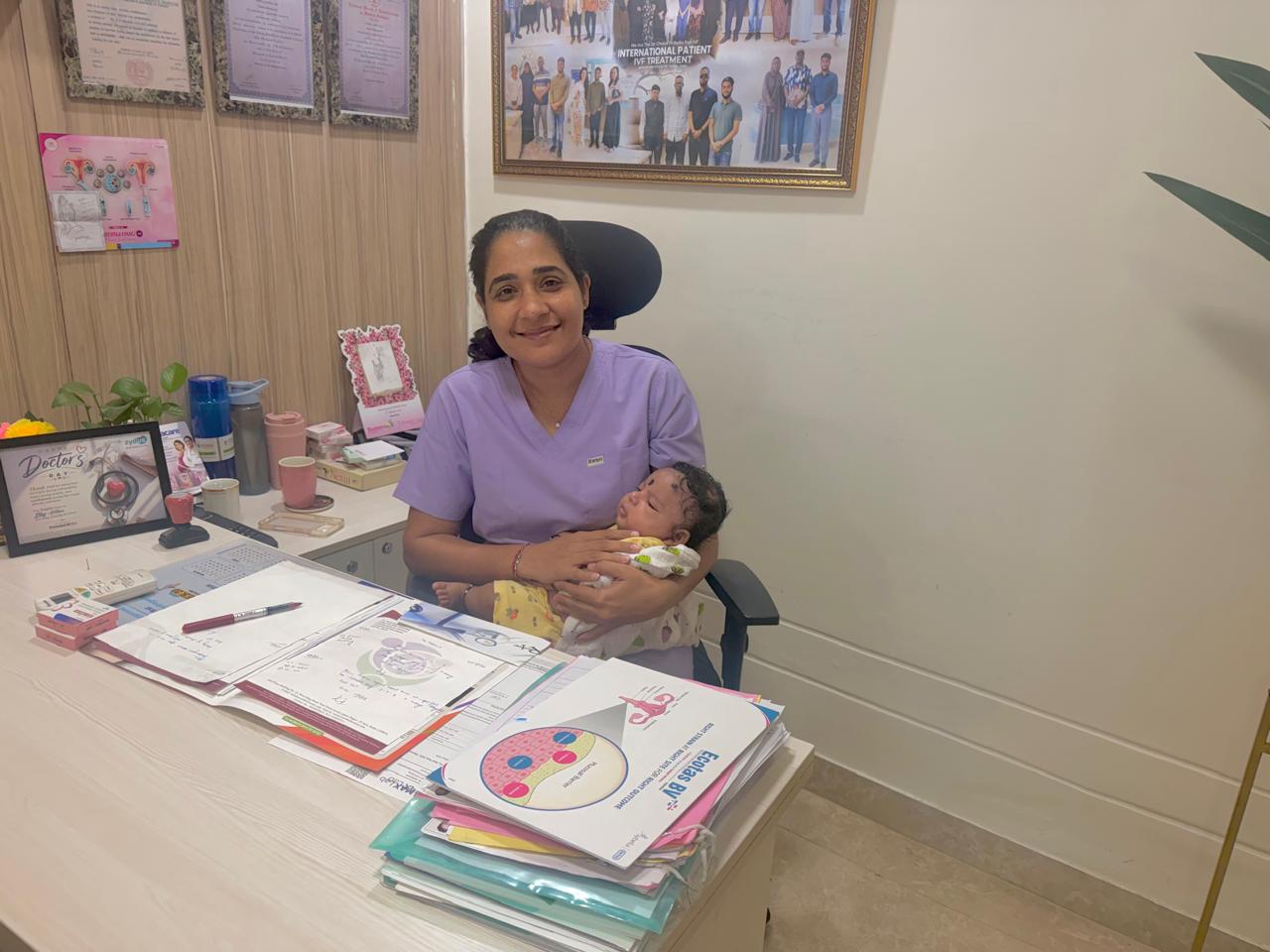
Most couples plan the wedding, the house and the finances carefully, and then hope the pregnancy will look after itself. Often it does. But a single visit a few months before you start trying can pick up anaemia, a thyroid problem or a missing vaccine while there is still time to fix it. That is what preconception care in Delhi with Dr. Kavita Manchanda is about.
It is a short, practical consultation for both partners. You leave with a list of tests, the right supplements and a sense of when to seek help if things take longer than expected.
Who a pre-pregnancy consultation is for
Any couple planning a baby can benefit. It is especially worth booking if:
- you are 35 or older, or planning to wait a few years before trying
- you have PCOS or PCOD, irregular periods, thyroid disease, diabetes or high blood pressure
- you have had a miscarriage, an ectopic pregnancy or a difficult earlier pregnancy
- you take regular medicines, for example for epilepsy, blood pressure or mood, which may need to be reviewed before pregnancy
- there is a family history of thalassemia or another inherited condition
- either partner smokes, drinks regularly, or is significantly over or under weight
Couples with irregular cycles can read about irregular periods and fertility before the visit. Women with PCOS will find our guide to PCOS and fertility useful.
What happens at your preconception consultation for couples
1. Your history, both of you
Dr. Kavita asks about periods, earlier pregnancies, surgeries, medical conditions, medicines, diet and work. She asks the husband about his health and habits too. Couples sometimes find this surprising, but sperm takes around three months to develop, so his lifestyle in the coming weeks affects the pregnancy as well.
2. Examination
A general check of weight, blood pressure and, if needed, a pelvic examination and ultrasound.
3. Pre-pregnancy health checkup tests
Tests are chosen for your situation. Common ones include:
- blood count for anaemia, which is common among Indian women
- blood group and Rh type for both partners
- thyroid function and blood sugar
- rubella immunity
- thalassemia carrier screening
- HIV, hepatitis B and syphilis screening
- a Pap smear if one is due
Our preconception care checklist lists these tests with a short note on why each one matters.
4. Your plan
You leave knowing what to start now and what to change. Typically that means:
- folic acid, started ideally three months before trying and continued in early pregnancy
- a rubella vaccine if you are not immune, with a gap of at least a month before trying to conceive
- adjusting medicines that are not safe in pregnancy, together with the doctor who prescribed them
- getting thyroid, sugar and blood pressure into a good range first
If you are over 35, or you plan to wait a couple of years before trying, Dr. Kavita may suggest an AMH test and an ultrasound to get a rough idea of your egg reserve. A single number cannot predict a pregnancy this month. It does help decide how long it is sensible to wait before seeking help. Our guide to low AMH and ovarian reserve explains what the result means.
Pre-pregnancy counselling on lifestyle
This part is practical. Weight matters, in both directions. A loss of even a few kilos can bring back regular ovulation in women with PCOS. Smoking and alcohol lower fertility in both partners, and the months before trying are a good time to stop.
Diet is the other big topic. Many families we see are vegetarian. That is perfectly compatible with a healthy pregnancy, but it can mean low iron, vitamin B12 and vitamin D, so we check and supplement where needed. Long hours, late dinners and a two-hour Delhi commute also take a toll on sleep and stress, and we talk about what is realistic for you. Our article on lifestyle factors that affect fertility covers the evidence in more detail.
The husband may be asked for a semen analysis if you are older, have been trying already, or if there is any concern. Reading what a semen analysis report means before the visit can help.
When preconception care turns into fertility care
Most couples conceive within a year of regular trying. If you are under 35 and it has been a year, or 35 or older and it has been six months, it is time for fertility tests rather than more waiting. Families sometimes push couples to keep trying for longer. Gently, we would say that time matters, especially after 35.
Because Dr. Kavita is a fertility and IVF specialist as well as a gynaecologist, she can move straight from planning to testing without a referral. If a problem is found, the next step may be female infertility treatment in Delhi or, for the husband, male infertility treatment in Delhi.
What affects the cost of a pre-pregnancy checkup
The consultation itself is simple. The overall cost depends mainly on:
- how many tests are needed for your history, and whether both partners are tested
- whether an ultrasound is done
- vaccines and supplements, if needed
- whether follow-up visits are needed to recheck thyroid, sugar or blood pressure
We order what is useful for you, not a long standard panel. If you already have recent reports, bring them along to avoid repeating tests.
Why couples choose Dr. Kavita as their pregnancy planning doctor in Delhi
Dr. Kavita Manchanda holds an MBBS, MS (OBG), DNB (OBG) and FNB (Reproductive Medicine), and has over 15 years of experience in women's health and fertility. The same doctor who helps you plan can also guide you through antenatal care in Delhi once you are pregnant, so your history stays in one place. She consults in Hindi and English, and patients have rated her 5.0 on Google. Read more about her training and background.
Preconception care in Delhi at Kamla Nagar, North Delhi
Planning a pregnancy is a good time to come in, before anything has gone wrong. Dr. Kavita consults at Penicillin Clinic, A-86, Central, Block A, Kamla Nagar, New Delhi, near the Delhi University North Campus. Come together if you can, bring any old reports, and book a pre-pregnancy consultation about three months before you plan to start trying.
Frequently asked questions
Ideally about three months before you start trying. That gives time to start folic acid, finish tests, take any vaccine that needs a gap before pregnancy and adjust medicines safely.
Yes, if possible. His health, habits and medicines affect sperm quality, and a few simple tests for both partners, such as blood group and thalassemia screening, are most useful when done together.
Usually a blood count, blood group, thyroid test, blood sugar, rubella immunity, thalassemia screening and infection tests such as HIV, hepatitis B and syphilis. Others are added based on your history.
Many women with PCOS or a thyroid condition have healthy pregnancies. Getting cycles, weight, sugar and thyroid levels under control before conceiving makes a real difference, which is exactly what preconception care is for.
If you are under 35, see a specialist after a year of regular trying. If you are 35 or older, after six months. See one sooner if periods are irregular or there is a known problem in either partner.
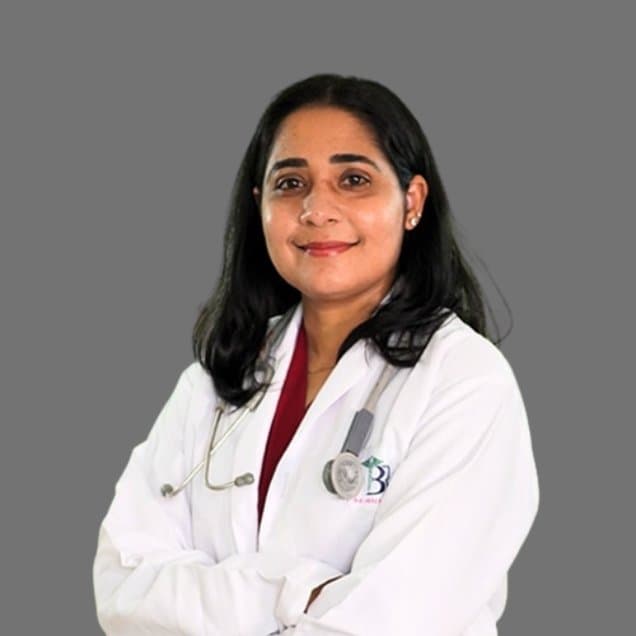
Dr. Kavita Manchanda
MBBS, MS (OBG), DNB (OBG), FNB (Reproductive Medicine). Fertility and IVF specialist with 15+ years of experience in male and female fertility, IUI, IVF, TESA, laparoscopy, hysteroscopy, pre-conception and antenatal care. Consults at Penicillin Clinic, Kamla Nagar, New Delhi.
This page is for general information and does not replace a personal consultation. Every patient is different, so please speak to a qualified doctor about your situation.