
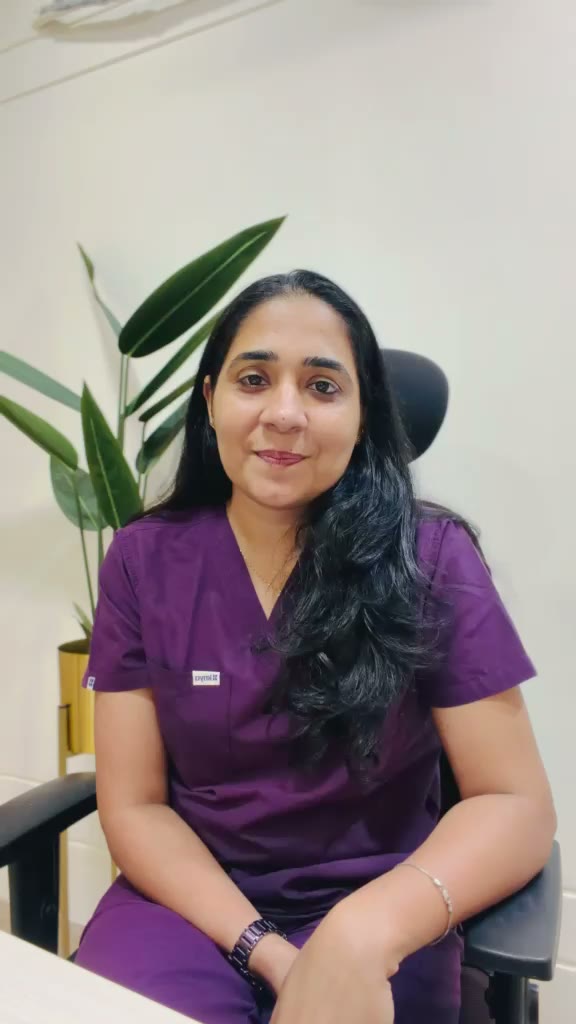
Fertility is not only about tests, scans and treatment. Everyday choices count. What you eat, how long you sleep, if you smoke, how stressed you are. All of these act directly on the hormones that control ovulation and sperm production.
In the short video below, Dr. Kavita Manchanda, fertility and IVF specialist in Kamla Nagar, Delhi, explains the five lifestyle factors she brings up most often with couples. Watch it first. Then read on for practical ways to act on each one.
Watch: Dr. Kavita on lifestyle and fertility
The first video is Dr. Kavita's guide to the five lifestyle factors that affect fertility. In the second, she has a message for couples who are unsure about taking the first step: "Sometimes taking the first step can be the most difficult part of a journey. Let's talk, understand your options and decide on your next step together. Let's find your missing joy."
1. Weight
"Both low body weight and obesity negatively impact fertility by disrupting the hormonal balance in the body," explains Dr. Kavita.
Body fat is hormonally active. Too much of it pushes up insulin and oestrogen, and the ovaries may stop releasing an egg every month. We see this pattern often in women with PCOS. Too little body fat can shut ovulation down altogether. In men, obesity goes with lower testosterone and poorer sperm.
- Aim for a healthy BMI, roughly 18.5 to 24.9 (for many Indian adults, below 23 is a better target).
- In overweight women, losing even 5 to 10 percent of body weight can bring periods back to a regular rhythm.
- If you are underweight, putting on weight slowly with nourishing food often restores ovulation.
2. Diet and nutrition
"A diet rich in trans fats, processed foods and added sugars negatively impacts fertility, while a diet rich in antioxidants, lean proteins and natural vitamins and minerals boosts fertility."
There is no need for an expensive or complicated "fertility diet". A normal home-cooked Indian thali already does most of the work:
- Fresh vegetables and fruit for antioxidants such as vitamin C and E.
- Lean protein from dal, rajma, chana, paneer, curd, eggs, fish or chicken.
- Whole grains like atta, brown rice and millets (bajra, ragi, jowar) in place of maida.
- Healthy fats from nuts, seeds and a little ghee or mustard oil, not fried snacks.
- Less namkeen, fewer bakery items and sweets, and fewer sugary drinks.
Vegetarian couples need to watch protein, iron and vitamin B12. Deficiencies are common in North India.
3. Smoking and tobacco
"They damage sperm and egg DNA and hence negatively impact fertility."
Smoking speeds up the loss of eggs from the ovaries and is linked with earlier menopause. In men it lowers sperm count and movement and raises DNA damage, which can affect embryo quality and increase the risk of miscarriage. That goes for cigarettes, bidis and hookah, and for chewing tobacco such as gutka or khaini. Quitting is one of the most useful things you can do. The benefit starts within months.
4. Alcohol and recreational drugs
"When taken in amounts more than moderation, they negatively impact fertility."
Regular or heavy drinking can disturb ovulation and lower testosterone and sperm quality. Recreational drugs, cannabis included, also affect sperm and hormones. While you are actively trying, or going through IVF treatment in Delhi, the safest choice is no alcohol at all. Once you are pregnant, stop completely.
5. Stress and lack of sleep
"They increase the hormone cortisol in the blood, which disrupts hormonal balance and hence negatively impacts fertility."
Long working hours, the daily commute across Delhi, family expectations and the disappointment of another negative test each month all build up. Ongoing stress and poor sleep can unsettle the hormones behind ovulation and lower libido in both partners.
- Sleep 7 to 8 hours, at regular times.
- Walk, do yoga or pranayama for 30 minutes on most days.
- Keep phones out of the bedroom at night.
- Talk honestly with your partner, and with your doctor, about how you are feeling.
Small changes, real results
As Dr. Kavita says, "You can make certain changes in your lifestyle to maintain a healthy fertility potential." Eggs and sperm take around three months to mature. The habits you build now decide the quality of the eggs and sperm in your next few cycles.
Lifestyle changes work best alongside a proper medical check. If you have been trying for 12 months (or 6 months if the woman is over 35), do not keep waiting; see a specialist. Our pre-conception care checklist is a good next read, and so is our guide to what happens at your first fertility consultation.
Talk to Dr. Kavita about your lifestyle and fertility in Kamla Nagar, Delhi
If you are looking for a fertility doctor near you in North Delhi, Dr. Kavita Manchanda (MBBS, MS, DNB, FNB Reproductive Medicine) sees couples from Kamla Nagar, Civil Lines, Model Town, GTB Nagar, Shalimar Bagh, Pitampura and across Delhi. Book a consultation and take the first step together.
Frequently asked questions
For some couples, sorting out weight, diet, smoking, alcohol and sleep is enough to bring back regular ovulation or improve sperm quality. For others, the same changes make treatment such as IUI or IVF work better. A fertility check-up tells you which group you fall into, so months are not lost waiting.
Yes. Smoking, tobacco, alcohol, obesity, heat exposure and stress can all lower sperm count, movement and DNA quality. Sperm take roughly three months to develop, so improvements usually show up on a semen analysis after about 10 to 12 weeks.
Ideally at least three months before you try to conceive, since that is how long a new cycle of eggs and sperm takes to mature. Women should start folic acid during this time too, as part of pre-conception care.
Dr. Kavita Manchanda consults at Penicillin Clinic, A-86, Block A, Kamla Nagar, New Delhi 110007, close to Delhi University North Campus, Shakti Nagar, Roop Nagar and Model Town.
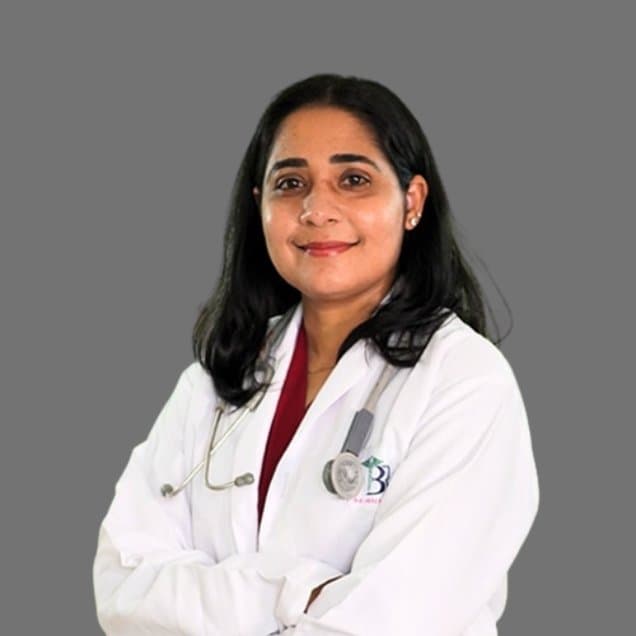
Dr. Kavita Manchanda
MBBS, MS (OBG), DNB (OBG), FNB (Reproductive Medicine). Fertility and IVF specialist with 15+ years of experience in male and female fertility, IUI, IVF, TESA, laparoscopy, hysteroscopy, pre-conception and antenatal care. Consults at Penicillin Clinic, Kamla Nagar, New Delhi.
This article is for general information and does not replace a personal consultation. Every patient is different, so please speak to a qualified doctor about your situation.