
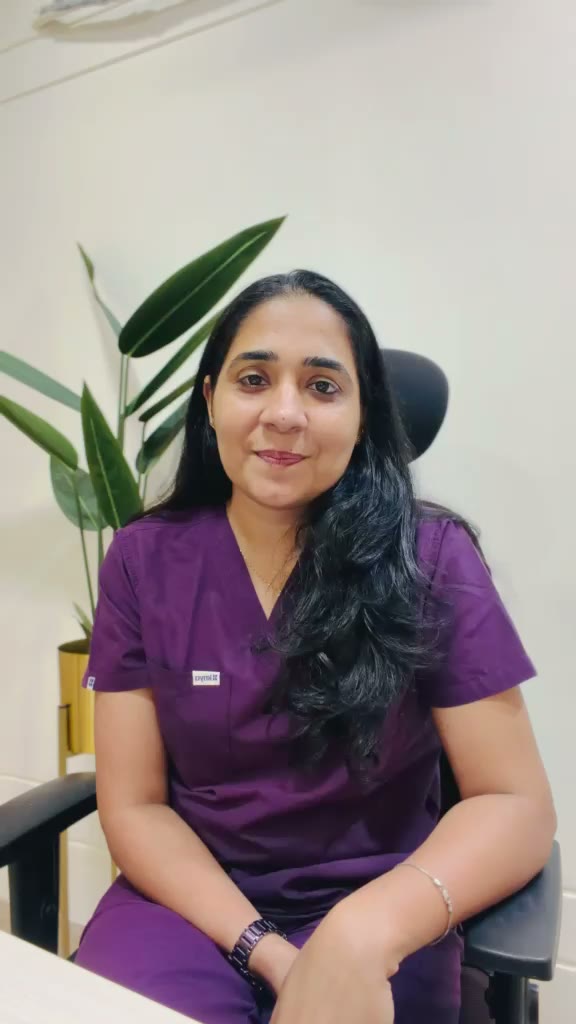
In roughly half of couples who struggle to conceive, a male factor plays a part. Yet husbands are often the last to be tested. At Penicillin Clinic in Kamla Nagar, male infertility treatment in Delhi starts with testing both partners early and explaining the results in plain language. This page covers how that works with Dr. Kavita Manchanda. For the causes of male infertility in more depth, read our guide on male infertility causes and treatment.
When to see a male fertility specialist in Delhi
Consider a male fertility check if:
- you have been trying for a year (or six months if your wife is over 35) without a pregnancy
- a semen analysis came back abnormal
- you had mumps after puberty, undescended testes, hernia or scrotal surgery, or an injury to the testes
- you have erection or ejaculation problems
- you have had chemotherapy, long-term steroids or testosterone supplements
Many men only get tested after their wife has spent months on investigations. Testing him at the start costs little and can save a lot of time.
Male fertility test in Delhi, and what we look for
The basic male fertility test is a semen analysis. It checks volume, count, motility (movement) and morphology (shape). Our guide on understanding your semen analysis report explains each value.
A few things help the sample give a true picture:
- abstain from ejaculation for 2 to 5 days beforehand
- collect the whole sample in the sterile container provided
- tell the lab if any part of it spilled
- if collecting at home, keep it at body temperature and reach the lab within the time they give you
One abnormal report is not a diagnosis. Counts vary, and even a fever a couple of months earlier can lower them. We usually repeat an abnormal test before drawing conclusions. Depending on the result, further tests may include hormones (FSH, LH, testosterone, prolactin), a scrotal ultrasound and sometimes genetic tests. How infertility is diagnosed covers the couple's workup together.
Treating male factor infertility
Treatment depends on what the tests show. Roughly in the order we consider it:
- Lifestyle changes. Smoking, alcohol, gutka or other tobacco, excess weight, long hours in heat and a laptop on the lap can all lower sperm quality. Sperm take about three months to develop, so a repeat test after that shows whether changes have helped. See lifestyle factors that affect fertility.
- Medicines. Infections are treated, and hormonal problems such as high prolactin can sometimes be corrected with medication. Antioxidants are sometimes advised, though the evidence for them is mixed.
- Referral for surgery when needed. A significant varicocele or a blockage may need a urologist. Dr. Kavita refers you and keeps the fertility plan coordinated.
- IUI treatment in Delhi for a mild male factor, where washing concentrates the best-moving sperm.
- IVF with ICSI for more severe problems. A single sperm is injected into each egg, so even a low count can be enough. See IVF treatment.
- TESA sperm retrieval when there are no sperm in the semen but sperm may be present in the testis.
Low sperm count treatment in Delhi
Low count (oligospermia) and low motility are the most common findings. Many men improve with lifestyle change and treatment of the cause. Others need IUI or ICSI, and that's fine. Our article on low sperm count treatment goes into more detail.
Azoospermia treatment in Delhi
Azoospermia means no sperm in the semen. It comes as a shock, but it is not always the final word. The first job is to find out whether it is caused by a blockage or by low production, as our guide on what azoospermia is explains. TESA can retrieve sperm in many men with a blockage.
What the first visit looks like
Most husbands are nervous about the first appointment. It is a private conversation. Dr. Kavita asks about your general health, medicines, work, habits and sexual health, examines you if needed and goes through your reports. You can come with your wife or alone. Consultations are in Hindi and English.
Bring every semen report you have had, even old ones, plus any hormone or ultrasound reports, a list of medicines and supplements, and your wife's reports if she has been tested. If this is your first fertility visit as a couple, what to expect at a first fertility consultation may help.
How long treatment takes
Because sperm take around three months to mature, lifestyle and medical treatment is usually judged after about three months with a repeat semen analysis. That can feel slow when family is asking questions every Sunday lunch. It is still worth the wait if the numbers are borderline. If assisted treatment is needed, IUI runs cycle by cycle and an IVF cycle takes about four to six weeks.
What affects the cost
The cost depends on which tests you need, whether medicines alone are enough or IUI, IVF with ICSI or TESA is needed, and how many cycles it takes. Dr. Kavita will tell you which of these is likely to apply before you commit to anything.
Why North Delhi couples see Dr. Kavita for male factor infertility
Male fertility is one of Dr. Kavita Manchanda's listed specialities, alongside female fertility, IUI, IVF and TESA. That matters because male infertility rarely sits on its own. Your wife's age and egg reserve shape the plan as well. Seeing one doctor for both partners means one plan, not two clinics giving separate advice. Her qualifications and experience include an FNB in Reproductive Medicine and more than 15 years in practice.
If you searched for a male infertility specialist near me from Model Town, Shakti Nagar, GTB Nagar or the North Campus area, Penicillin Clinic is close by and a short walk from Vishwavidyalaya metro station.
Male infertility treatment in Delhi at Kamla Nagar, North Delhi
A poor semen report feels personal. It is still a lab result like any other, and most results point to something that can be done. Book a consultation at Penicillin Clinic, A-86, Central, Block A, Kamla Nagar, to start male infertility treatment in Delhi with Dr. Kavita Manchanda.
Frequently asked questions
Often, yes. Treating infections or hormone problems and changing habits like smoking can improve counts over about three months. When the count stays low, IUI or IVF with ICSI can still give a good chance of pregnancy.
Usually 2 to 5 days. Much shorter or much longer gaps can affect the result, so follow the lab's instructions.
Sometimes. If there is a blockage, sperm can often be retrieved with TESA and used for ICSI. If sperm production is very low the chances are lower, and Dr. Kavita will explain the options, including referral for other retrieval methods.
Fertility specialists trained in reproductive medicine evaluate and treat both partners. Dr. Kavita Manchanda lists male fertility among her specialities and refers to a urologist when surgery such as varicocele repair is needed.
It helps, but it is not required. Many men prefer to come alone for the first visit, and that is fine.

Dr. Kavita Manchanda
MBBS, MS (OBG), DNB (OBG), FNB (Reproductive Medicine). Fertility and IVF specialist with 15+ years of experience in male and female fertility, IUI, IVF, TESA, laparoscopy, hysteroscopy, pre-conception and antenatal care. Consults at Penicillin Clinic, Kamla Nagar, New Delhi.
This page is for general information and does not replace a personal consultation. Every patient is different, so please speak to a qualified doctor about your situation.