
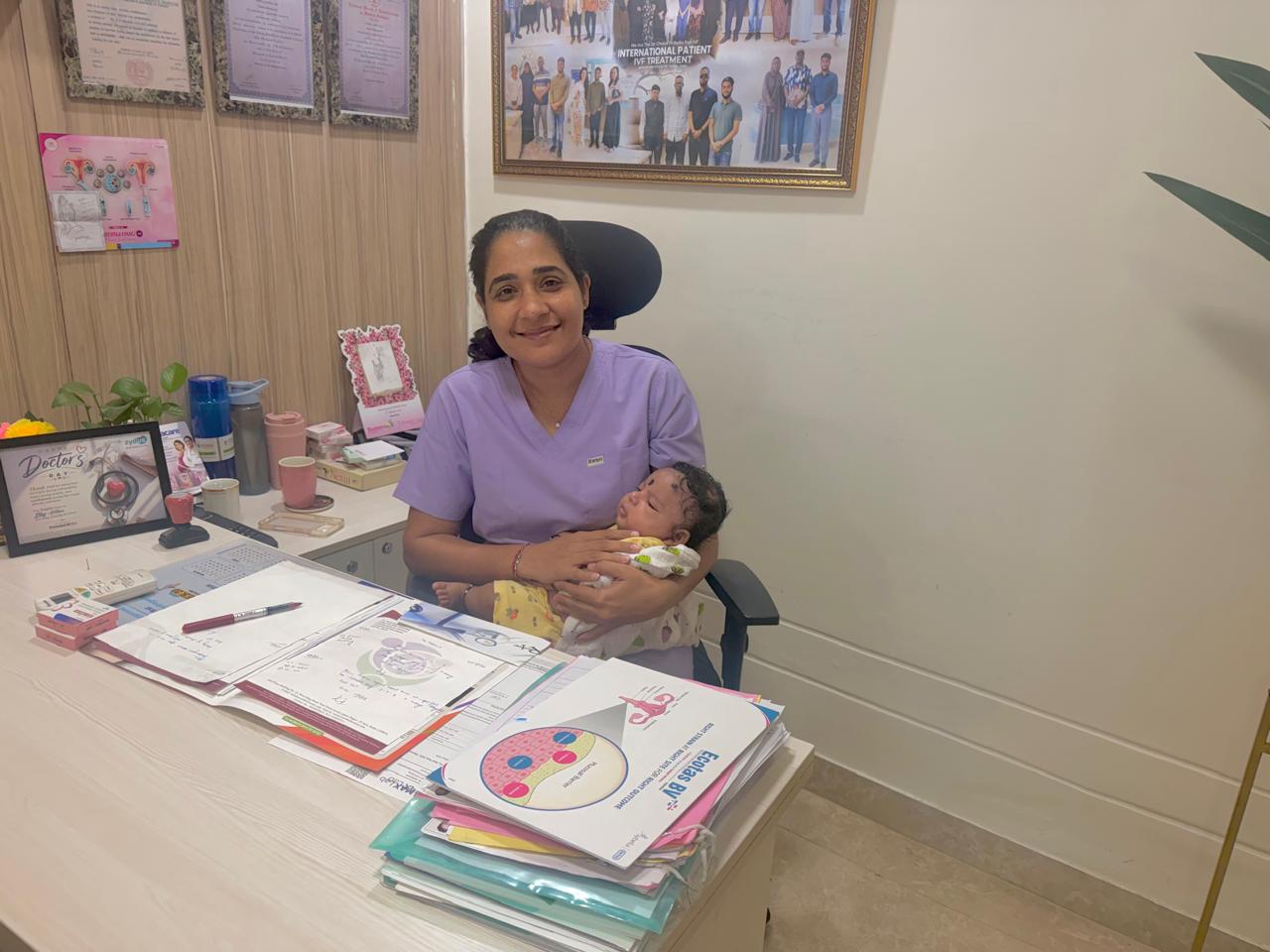
A healthy pregnancy begins before the test turns positive. In the first weeks after conception the baby's brain, spine and heart start to form, often before you even know you are pregnant. Getting your body ready in advance gives your baby a better start.
Preconception care is simply a planned check-up and a few sensible steps in the months before you try. Every couple can benefit. It matters even more if you have a medical condition, are over 35 or had problems in an earlier pregnancy.
Why preconception care matters
Planning ahead lets you:
- Lower the risk of neural tube defects by starting folic acid on time
- Find and treat anaemia, thyroid disease or diabetes before they affect a pregnancy
- Check your immunity to infections such as rubella
- Switch to medicines that are safe in pregnancy
- Pick up fertility problems early, before months slip by
Anaemia and undiagnosed thyroid problems are common in Indian women of reproductive age. A simple check-up catches a lot.
The visit is especially worthwhile if you had a complication last time, such as high blood pressure, gestational diabetes, a preterm birth or a caesarean section. We can explain what it means for the next pregnancy, how long to wait between pregnancies and what extra care may help. Couples often bring their worries about pregnancy and childbirth to this visit too, and that is exactly what it is for.
Your preconception checklist
Treat this list as a starting point for a conversation with your gynaecologist.
1. Start folic acid
Take folic acid 400 mcg daily, ideally from three months before you start trying, and carry on until 12 weeks of pregnancy. Some women need a higher dose, so check with your doctor.
2. Get the right blood tests
Your doctor may suggest:
- Haemoglobin and complete blood count, to look for anaemia
- Blood group and Rh type for both partners
- Thalassaemia screening (HPLC), because carrier status is common in North India. If one partner is a carrier, the other should be tested too.
- Thyroid function (TSH)
- Blood sugar or HbA1c, particularly if you have a family history of diabetes, PCOS or are overweight
- Rubella immunity
- Infection screening, such as hepatitis B, HIV and syphilis
- Vitamin D or B12, in selected cases
3. Update your vaccines
If you are not immune to rubella, you can have the MMR vaccine, but you should avoid pregnancy for at least one month afterwards. Hepatitis B vaccination may also be advised if you are not protected. Plan the timing with your doctor.
4. Review your medicines
Some medicines for epilepsy, blood pressure, acne, mood or thyroid need changing or adjusting before pregnancy. Do not stop any regular medicine on your own. Bring a list of everything you take to your appointment, ayurvedic and herbal products included.
5. Control any existing conditions
If you have diabetes, high blood pressure, thyroid disease, PCOS or another long-term condition, get it well controlled before you conceive. That lowers the risk of complications for you and the baby. Our guide to PCOS and fertility has more on that condition.
6. Have a gynaecological check
A pelvic examination, a Pap smear if one is due, and an ultrasound if your periods are irregular or painful can pick up fibroids or ovarian cysts early.
7. Visit the dentist
Gum problems can get worse in pregnancy. A dental check before you conceive is easy and worth it.
Lifestyle changes for both partners
Small daily changes add up.
- Weight. Being well over or under a healthy weight can affect ovulation and pregnancy. In PCOS, even modest weight loss can help.
- Diet. Eat a balanced home diet: dal, green sabzi, fruit, whole grains, dahi or milk, and enough protein. Iron-rich foods help prevent anaemia.
- Activity. Regular moderate exercise, such as a brisk walk in the park or yoga, is enough.
- Tobacco and alcohol. Stop smoking, chewing tobacco, gutka and alcohol. Both partners.
- Caffeine. Keep chai and coffee moderate.
- Sleep and stress. Sleep well and keep stress manageable where you can.
Men's health counts too. Sperm take around three months to develop, so healthy habits now mean healthier sperm by the time you try. Our article on lifestyle factors that affect fertility goes into more detail.
Understanding your fertile window
You are most likely to conceive if you have intercourse in the few days leading up to and including ovulation. In a regular 28-day cycle, ovulation is usually around day 14, but cycles vary. We usually suggest intercourse every two to three days through the cycle. It is simple, and it takes the pressure off.
When to see a fertility specialist
Seek advice if:
- You are under 35 and have not conceived after 12 months of regular unprotected intercourse
- You are 35 or older and have not conceived after 6 months
- Your periods are very irregular or absent
- You have known PCOS, endometriosis, previous pelvic surgery or pelvic infection
- You have had two or more miscarriages
- Your partner has a known sperm problem or previous testicular surgery
Our guide to your first fertility consultation explains what to bring and what happens at the visit. If you have had repeated losses, read about recurrent miscarriage causes and care. Once you are pregnant, our antenatal care guide by trimester covers what comes next.
Planning a pregnancy with Dr. Kavita in Kamla Nagar, Delhi
Dr. Kavita Manchanda offers pre-conception care, fertility assessment and antenatal care as part of her women's care services. If you want a gynaecologist in Kamla Nagar to help you plan a pregnancy, she consults at Penicillin Clinic, convenient for couples from Delhi University North Campus, Mukherjee Nagar, Shalimar Bagh and Pitampura. Consultations are in Hindi and English. Book a preconception visit and go into your pregnancy with a clear plan.
Frequently asked questions
Ideally about three months before you start trying. That gives folic acid time to build up, leaves room for any vaccine that needs a gap before pregnancy, and lets us bring thyroid or blood sugar under control. It also helps sperm, which take around three months to develop and benefit from better habits.
Most women are advised 400 mcg of folic acid daily, starting at least one month and preferably three months before conception, and continuing through the first trimester. Some women need a higher dose, for example after a previous baby with a neural tube defect, or with diabetes, epilepsy treatment or obesity. Your doctor will tell you which dose is right for you.
It is a good idea. A general health check, blood group, screening for infections such as hepatitis B and HIV, and thalassaemia screening if the wife is a carrier are all useful. If you have already been trying for a while without success, a semen analysis is one of the first tests we do.
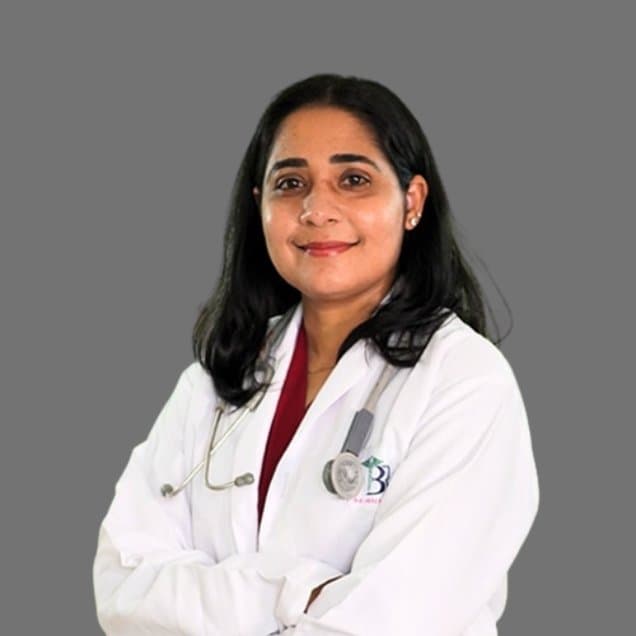
Dr. Kavita Manchanda
MBBS, MS (OBG), DNB (OBG), FNB (Reproductive Medicine). Fertility and IVF specialist with 15+ years of experience in male and female fertility, IUI, IVF, TESA, laparoscopy, hysteroscopy, pre-conception and antenatal care. Consults at Penicillin Clinic, Kamla Nagar, New Delhi.
This article is for general information and does not replace a personal consultation. Every patient is different, so please speak to a qualified doctor about your situation.