
Some months your period comes on day 26. Then it turns up on day 45. Then it does not come at all, you take three pregnancy tests, all negative, and it arrives a week later. If this sounds familiar and you are trying for a baby, you have probably wondered about irregular periods and fertility.
Here is the short answer. Irregular cycles usually mean ovulation is irregular too. You can only conceive in a month when you ovulate, so fewer ovulations mean fewer chances each year. But irregular ovulation is one of the most treatable causes of infertility, and many women need only simple treatment to correct it.
What counts as an irregular period
A normal cycle runs from about 21 to 35 days, counted from the first day of one period to the first day of the next. A few days of difference from month to month is normal. Doctors usually call cycles irregular when:
- They are shorter than 21 days or longer than 35 days
- The length swings by more than about a week from one month to the next
- You go three months or more without a period, and you are not pregnant
- You bleed between periods or after sex
Periods often take a couple of years to settle after they start. If yours never settled, or they changed in your twenties or thirties, it is worth getting checked.
How irregular periods affect fertility
In a typical cycle, one egg matures and is released. Hormones from the brain (FSH and LH) and from the ovary (oestrogen and progesterone) drive this. When that signalling is off, the egg may not be released, or it is released late and at unpredictable times. Doctors call these ovulation disorders, and they account for a good share of female infertility.
The effect is practical. Fewer eggs are released in a year. Your fertile days are hard to predict, so timing intercourse becomes guesswork. In cycles where ovulation is weak, progesterone afterwards can also be low, which affects the lining.
Common causes of irregular periods
PCOD and PCOS
Polycystic ovary syndrome is the most common cause we see. In India, people use PCOD (polycystic ovarian disease) and PCOS almost interchangeably. You will hear both from doctors, relatives and on social media. Some doctors use PCOD for a milder picture limited to the ovaries, and PCOS for the wider hormonal and metabolic syndrome.
The formal diagnosis is PCOS. It is made when at least two of these are present, after other causes are ruled out:
- Irregular or absent ovulation.
- Signs of high male hormones, such as acne or extra facial hair, or high levels on a blood test.
- Many small follicles on ultrasound.
So if your report says PCOD, it is usually describing the same condition. PCOD and infertility are linked mainly through irregular ovulation, and that part responds well to treatment. Our article on PCOS and fertility covers it in depth.
Thyroid problems
An underactive or overactive thyroid can both upset cycles. Hypothyroidism is common in Indian women. It is easy to test for, and a daily tablet usually corrects it.
High prolactin
Prolactin is the hormone that makes breast milk. When it is high outside pregnancy, it can stop ovulation. Some women notice a milky discharge from the breasts. Certain medicines and small benign pituitary growths can raise it.
Weight, stress and exercise
Big swings in weight, crash diets, very intense exercise and long stretches of stress can all switch off the signals from the brain that trigger ovulation. Being underweight can do this, including on a strict vegetarian diet that is short on protein. So can excess weight, which worsens insulin resistance. Our guide to lifestyle factors that affect fertility has practical changes that help.
Falling egg reserve
In some women, cycles become shorter or erratic because the egg supply is running low earlier than expected. An AMH blood test and a scan help here. Read more about low AMH and ovarian reserve.
Hormonal imbalance and fertility are closely tied in all of these. The right treatment depends on which hormone is out of balance, which is why tests come before tablets.
When to see a gynaecologist for irregular periods
Do not wait a full year of trying if your periods are irregular. See a gynaecologist sooner if:
- Your cycles are often longer than 35 days, or you go three months without a period
- You have heavy bleeding, or bleeding between periods or after sex
- You have new acne, unwanted hair growth or sudden weight gain
- You are over 35, or have been trying for six months
- Your periods have stopped after being regular
Heavy bleeding or bleeding between periods may come from a polyp or fibroid inside the uterus rather than from hormones. That is a different problem, explained in our article on uterine polyps and fertility.
How irregular periods are investigated
We start with your history. Bring your period dates for the last few months (a phone app or diary works), along with any weight changes, medicines and symptoms. Then usually:
- Blood tests on day 2 or 3 of a period for FSH, LH, AMH, thyroid and prolactin, and sometimes testosterone and blood sugar.
- A transvaginal ultrasound to look at the ovaries and the lining.
- A check that the tubes are open, often an HSG, before any treatment that relies on them.
- A semen analysis for your husband, because the plan has to account for both of you.
The full process is set out in how infertility is diagnosed.
Treatment options
Treatment depends on the cause. For PCOS with excess weight, lifestyle change comes first, and losing even 5 to 10 percent of body weight brings back ovulation for many women. Thyroid tablets or prolactin-lowering medicine are used when those are the cause.
When ovulation still does not happen, ovulation induction is the next step. Tablets such as letrozole or clomiphene are given early in the cycle, with scans to confirm a follicle is growing and to time intercourse. Injections are used if tablets do not work. Ovulation induction can be combined with IUI treatment when timing or a mild male factor is also involved. IVF is kept for when these fail, or when there is a second problem such as blocked tubes or a low sperm count.
Metformin is sometimes added in PCOS with insulin resistance. Contraceptive pills regulate bleeding, but you cannot conceive while taking them.
Irregular periods and fertility care in Kamla Nagar, Delhi
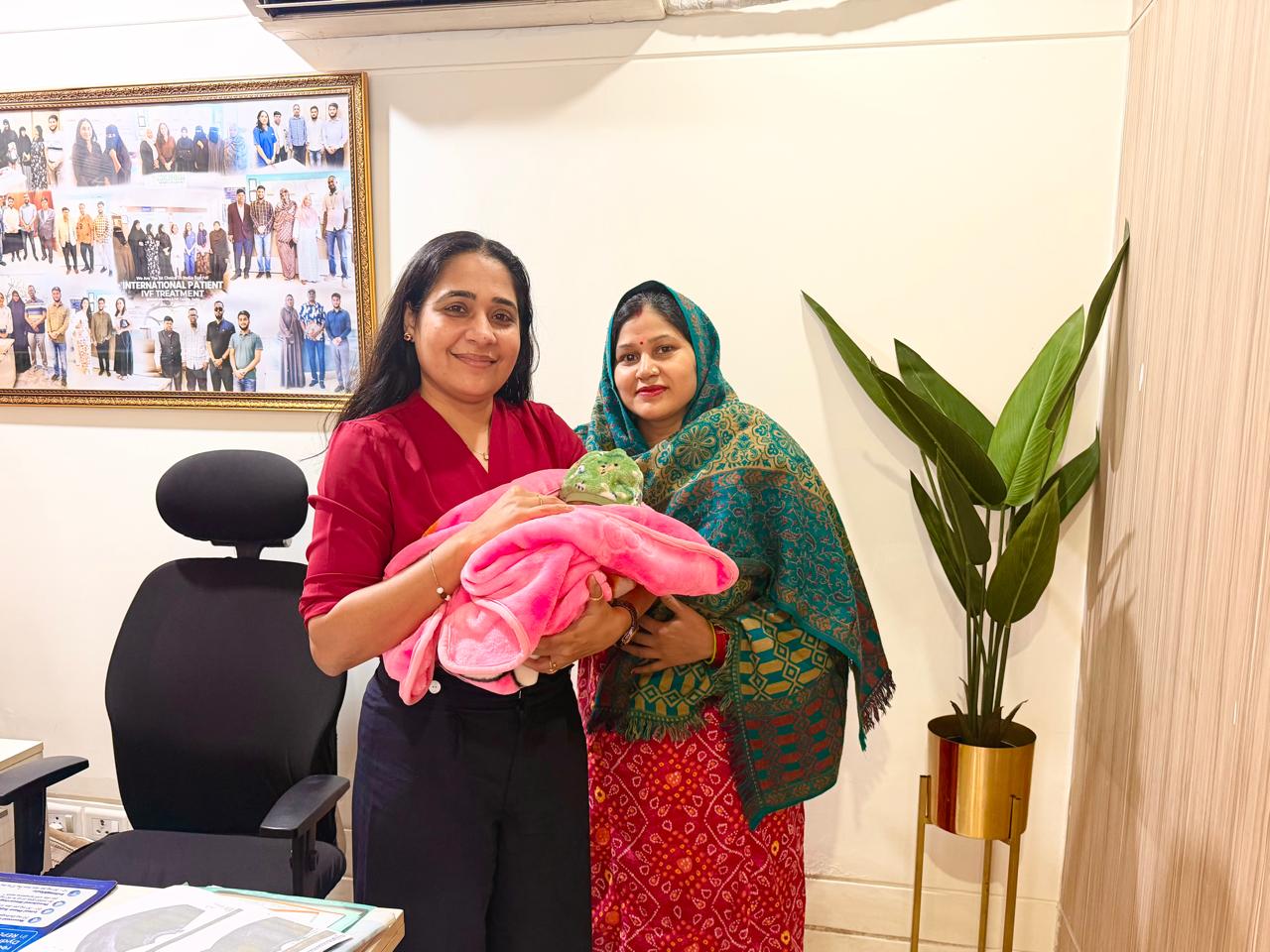
If your cycles are unpredictable and you want to start a family, an early check usually saves time. Dr. Kavita Manchanda sees women with irregular periods and fertility concerns at Penicillin Clinic in Kamla Nagar, North Delhi, as part of her female infertility treatment in Delhi. She consults in Hindi and English. Write down your last few period dates, gather any reports, and book a consultation.
Frequently asked questions
Yes. Many women with irregular cycles conceive naturally, because they still ovulate some months. It can take longer since there are fewer chances each year and the fertile days are harder to predict. If cycles are very long or you have been trying for six months to a year, get checked.
In everyday use in India, mostly yes. Many people and many reports say PCOD where doctors would formally write PCOS. Some use PCOD for a milder picture limited to the ovaries and PCOS for the wider hormonal and metabolic condition. Either way, the fertility problem is usually irregular ovulation, and that is treatable.
Usually blood tests early in the cycle for FSH, LH, AMH, thyroid and prolactin, sometimes with testosterone and blood sugar tests, plus a transvaginal ultrasound of the ovaries and lining. If you are trying to conceive, the tubes and your husband's semen are checked too.
The pill gives you regular bleeds while you take it, but it does not fix the underlying cause and it prevents pregnancy. If you want to conceive, the aim is to bring back ovulation itself, which needs a different plan.
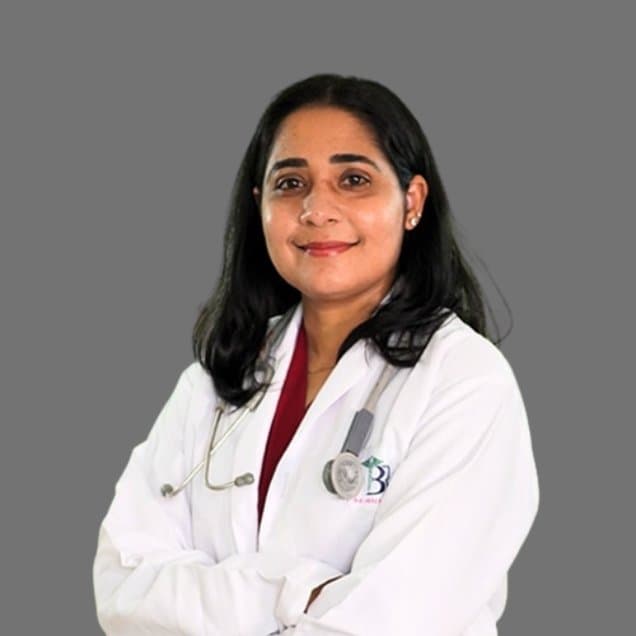
Dr. Kavita Manchanda
MBBS, MS (OBG), DNB (OBG), FNB (Reproductive Medicine). Fertility and IVF specialist with 15+ years of experience in male and female fertility, IUI, IVF, TESA, laparoscopy, hysteroscopy, pre-conception and antenatal care. Consults at Penicillin Clinic, Kamla Nagar, New Delhi.
This article is for general information and does not replace a personal consultation. Every patient is different, so please speak to a qualified doctor about your situation.