
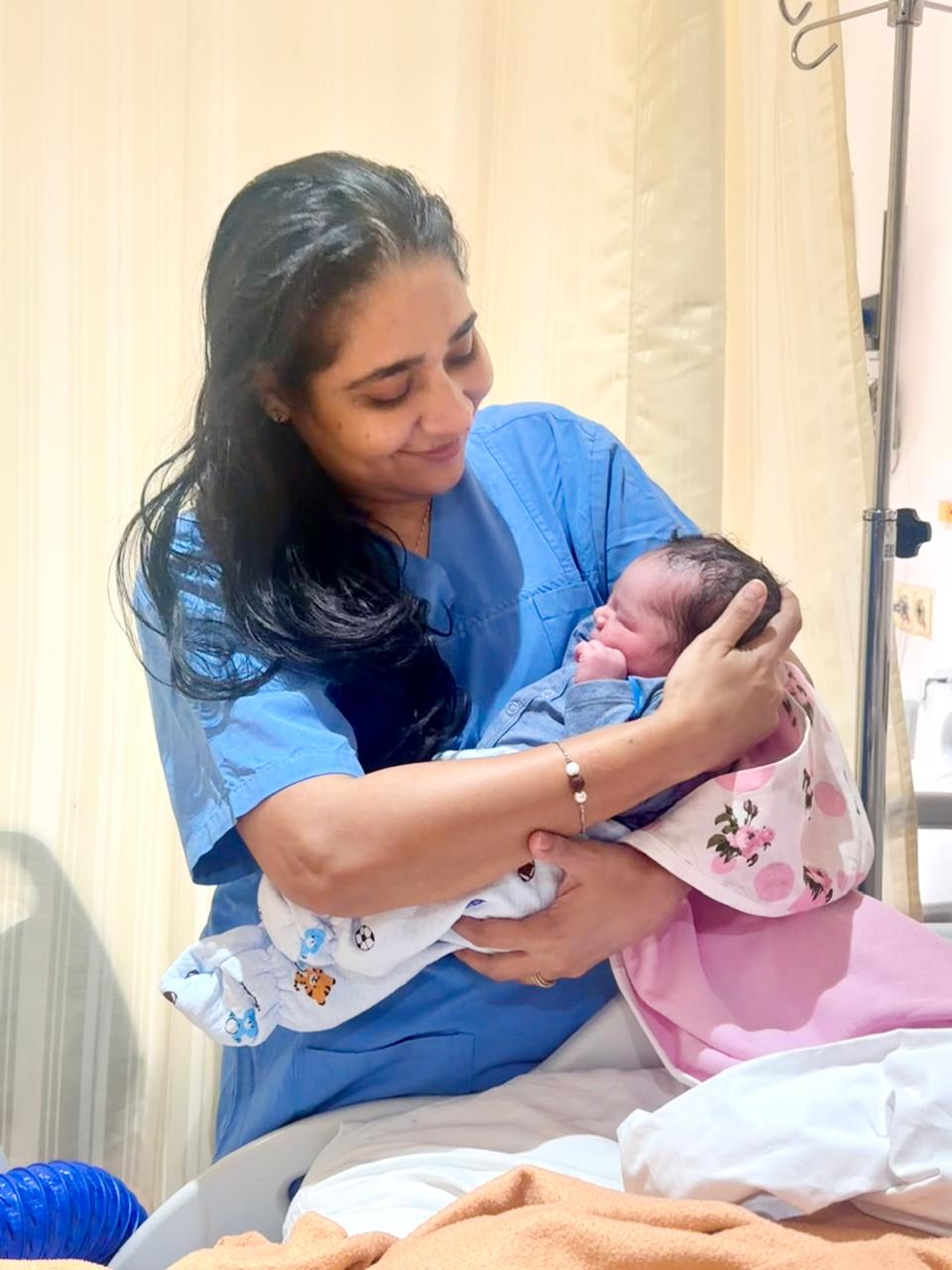
Deciding on IVF is a big step, and the weeks before treatment can feel like sitting in a waiting room. Couples often ask us how to prepare for IVF in a way that actually makes a difference. The honest answer is that a few well-chosen steps matter far more than any special product. This guide covers the before IVF tests, diet and lifestyle, medicines, and the practical planning that makes treatment smoother.
How to prepare for IVF in the three months before
Eggs and sperm both take around three months to mature. That makes the 90 days before treatment the most useful window for IVF preparation, because changes made now affect the eggs and sperm used in your cycle.
That does not mean you must wait three months. If age is a factor, starting sooner often matters more. Use whatever time you have.
Before IVF tests
Your specialist will want an up-to-date picture of both partners. Typical tests include:
- AMH and an antral follicle count, to plan the stimulation dose.
- Thyroid, prolactin and sometimes blood sugar, since these affect both IVF and pregnancy.
- A transvaginal ultrasound of the uterus and ovaries.
- A recent semen analysis.
- Infection screening for both partners, including HIV, hepatitis B, hepatitis C and syphilis, which is standard before ART in India.
- Blood group, haemoglobin and rubella immunity for the woman.
Extra steps are sometimes advised. A hysteroscopy may be suggested if a polyp or scarring is suspected. A blocked, fluid-filled tube (hydrosalpinx) is often treated before embryo transfer, because it can lower the chance of success. If you have not had a full workup yet, our guide on how infertility is diagnosed explains each test.
Diet before IVF
There is no single IVF diet. What helps is a balanced, steady way of eating that you can keep up.
- Build meals around vegetables, fruit, whole grains, dal, beans, curd, nuts and seeds.
- Include protein at every meal. Paneer, tofu, chana, rajma, sprouts and milk all work for vegetarians.
- Cut down on maida, sugar, fried snacks and sweet drinks.
- Drink enough water, especially in the Delhi heat.
- Keep tea or coffee to one or two cups a day.
Weight matters more than any one food. For women who are overweight, losing even 5 to 10 percent of body weight can improve the response to treatment. Being underweight can affect cycles too, so aim for a healthy range and skip crash diets.
Many vegetarian women in North India are low in vitamin B12, iron or vitamin D. Ask your doctor if you need a test or a supplement.
Supplements and medicines
Start folic acid at least one month before treatment, ideally three. Your doctor may add vitamin D or other supplements depending on your reports.
Be careful with herbal or ayurvedic products and online "fertility boosters". Some contain hormones or ingredients that interfere with IVF medicines. Show your doctor everything you take, including medicines for thyroid, blood pressure, diabetes or depression, and do not stop a prescribed medicine on your own.
Lifestyle for both partners
IVF preparation is a job for two. Sperm respond to the same habits as eggs.
- Stop smoking, and keep the home smoke-free.
- Women should avoid alcohol, and men should cut it right down.
- Men should skip saunas and hot tubs, and keep laptops off their laps.
- Stop steroids, testosterone or bodybuilding supplements, with medical advice.
- Keep moving. A daily walk, yoga or light gym work is fine. Do not start an intense new routine just before treatment.
- Protect your sleep. Seven to eight hours helps both hormones and mood.
Our article on lifestyle factors that affect fertility goes into more detail, and IVF success factors explains which ones carry the most weight.
Practical planning
Much of the stress during IVF comes from logistics rather than medicine.
- Ask for a rough calendar. Stimulation usually lasts around 8 to 12 days, with several scan visits.
- Plan leave from work for egg collection day and the day after, and keep some flexibility for scans.
- Work out travel. Morning scans through Delhi traffic can be tiring, and the metro is often quicker than driving.
- Learn the injections. Many women self-inject at home after a demonstration, or a partner learns to help.
- Agree as a couple on who you will tell. Some couples keep treatment private from the wider family to avoid daily questions.
- Keep reports, prescriptions and your injection timings in one folder or phone note, so nothing gets missed at each visit.
- Discuss costs before you start so there are no surprises. Our article on what affects IVF cost in Delhi explains the components.
Preparing emotionally
IVF involves hope, waiting and uncertainty. The two weeks after embryo transfer are often the hardest part. Plan small, ordinary things for those days, such as a film, a visit to a friend or an evening walk. Talk to each other, and let one or two trusted people know how you are really doing. If anxiety or low mood starts to feel heavy, tell your doctor. Asking for support is part of good care.
Still weighing up whether IVF is the right step? Read IVF treatment in Delhi explained or compare IUI vs IVF.
How to prepare for IVF with Dr. Kavita in Kamla Nagar, Delhi
Dr. Kavita Manchanda reviews your reports, orders only the tests that are missing, and gives you a clear plan for the months before your cycle. Her IVF treatment in Delhi covers stimulation, egg collection, ICSI when needed and embryo transfer. Penicillin Clinic in Kamla Nagar is a short walk from Vishwavidyalaya metro station, and consultations are in Hindi and English. If you want help working out how to prepare for IVF in your own situation, book a consultation and start planning.
Frequently asked questions
Start folic acid, eat a balanced diet with enough protein, aim for a healthy weight, stop smoking and alcohol, sleep well and keep gently active. The three months before treatment are the most useful window.
Usually AMH and an ultrasound for the woman, thyroid and prolactin tests, a recent semen analysis, and infection screening for both partners. Some women also need a hysteroscopy.
No single diet is proven. A balanced diet with vegetables, fruit, whole grains, dal, curd, nuts and enough protein, with less sugar and maida, is a sensible base.
Yes. Sperm take about three months to develop, so stopping smoking, cutting alcohol, avoiding heat and keeping a healthy weight can all help.
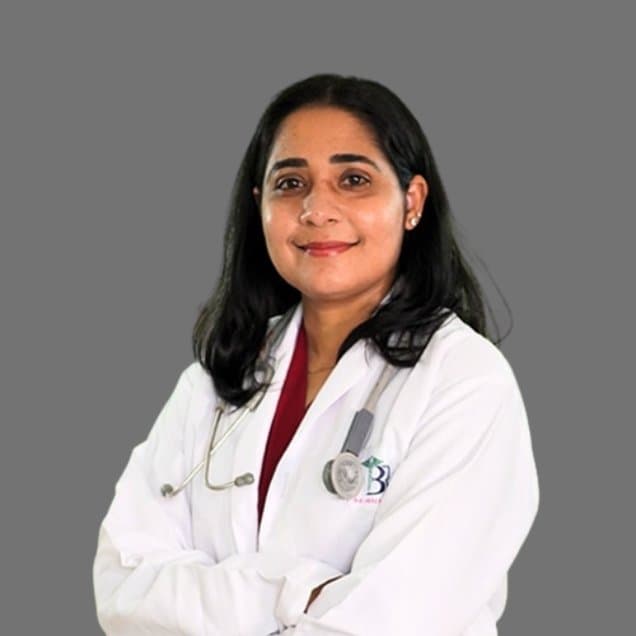
Dr. Kavita Manchanda
MBBS, MS (OBG), DNB (OBG), FNB (Reproductive Medicine). Fertility and IVF specialist with 15+ years of experience in male and female fertility, IUI, IVF, TESA, laparoscopy, hysteroscopy, pre-conception and antenatal care. Consults at Penicillin Clinic, Kamla Nagar, New Delhi.
This article is for general information and does not replace a personal consultation. Every patient is different, so please speak to a qualified doctor about your situation.