
Almost every couple who comes to us about IVF asks the same thing early on: "What are our chances?" It is a fair question. The honest answer is that IVF outcomes depend on many things. Some you cannot change, like age. Others, like weight, smoking and diet, you can.
This guide covers the main IVF success factors in plain language, so you can prepare well and keep your expectations realistic. It is for couples in Kamla Nagar, Pitampura, Rohini and the rest of Delhi who are looking for an IVF centre near me that will give them straight advice.
Why there is no single "success rate"
Some clinics advertise very high success rates. Those numbers can mislead, because they depend on which patients were treated, how success was counted and whether frozen transfers were included. Your own chance depends on your age, tests and history. An average tells you little.
A good fertility specialist will go through your reports and give you a realistic picture for your case. Nobody can honestly guarantee a pregnancy.
Age, the most important factor
A woman is born with all the eggs she will ever have. Over the years, both their number and their quality fall. The drop becomes more noticeable after 35 and speeds up after 40.
Older eggs are more likely to carry chromosomal errors. Fewer embryos develop well, implantation is less likely and the risk of miscarriage goes up. That is why age outweighs almost everything else in IVF.
In practice:
- Under 35, you generally have more time, though you should still get tested if you have been trying for a year
- From 35 to 39, see a specialist after six months of trying
- At 40 or older, get evaluated early, because time matters more
The ART (Regulation) Act 2021 also sets legal age limits for ART services in India. We can explain how they apply to you.
Ovarian reserve and egg quality
Ovarian reserve is how many eggs remain. It is measured with an AMH blood test and an antral follicle count on ultrasound. A lower reserve usually means fewer eggs are collected in an IVF cycle. Our article on low AMH and ovarian reserve goes into this in more depth.
Egg quality, on the other hand, is mostly about age. A younger woman with low AMH may still have good eggs. An older woman with normal AMH may not. Endometriosis and previous ovarian surgery can also lower reserve.
Sperm quality
Count, motility, morphology and DNA integrity all play a part. ICSI means even low sperm numbers can be used, but healthier sperm still help the embryo develop. If your husband has not had a semen analysis, start there. Our guide to the semen analysis report explains the results, and male infertility causes and treatment covers what can help.
The uterus and other health factors
An embryo needs a healthy uterus to implant. Fibroids that distort the cavity, polyps, scarring or a thin lining can lower the chance of success. We usually check with ultrasound or hysteroscopy and treat these before IVF. Our page on fibroids and fertility explains when a fibroid needs attention.
Other medical conditions matter too:
- Thyroid disorders
- Diabetes and high blood sugar
- PCOS, which changes how the ovaries respond to stimulation
- Hydrosalpinx, a blocked tube filled with fluid, which can reduce implantation
Lifestyle factors you can influence
This is the part you control. Small, steady changes over about three months support egg and sperm health and get your body ready for pregnancy.
Weight
Being well over or under a healthy weight can affect hormones, how you respond to medicines and how the pregnancy goes. If you are overweight, losing even 5 to 10 percent can help.
Smoking, tobacco and alcohol
Smoking is linked to poorer egg quality and lower sperm quality. Both partners should stop, and that includes chewing tobacco. Keep alcohol to a minimum, or avoid it.
Diet
A balanced Indian diet works well: vegetables, fruit, dals, whole grains, nuts and healthy fats. Go easy on fried snacks and sweets, which are hard to avoid in the wedding and festival season. If you are vegetarian, make sure you get enough protein, iron, vitamin B12 and vitamin D, and ask us about supplements.
Sleep, stress and activity
Aim for 7 to 8 hours of sleep and some moderate exercise, such as a brisk walk in the park or yoga. Treatment can be stressful, more so when family keeps asking. Talk openly with your partner, and ask for support if you need it.
Factors related to treatment
Some factors depend on the clinic and the plan, not on you. Choosing a stimulation protocol that suits your body is one. The quality of the embryology lab, careful timing of egg collection and the choice between fresh and frozen transfer are others. We tailor these to your age, AMH and past response, so please bring every previous report and treatment record.
How to prepare, step by step
- Get both partners tested early
- Treat any thyroid, blood sugar or uterine problems before starting
- Start folic acid at least one month before treatment
- Work towards a healthy weight
- Both of you stop smoking and cut down on alcohol
- Keep a file of all reports and previous treatments
- Ask your doctor about your own chances and a clear plan
For an overview of the treatment itself, read our guide to IVF treatment in Delhi.
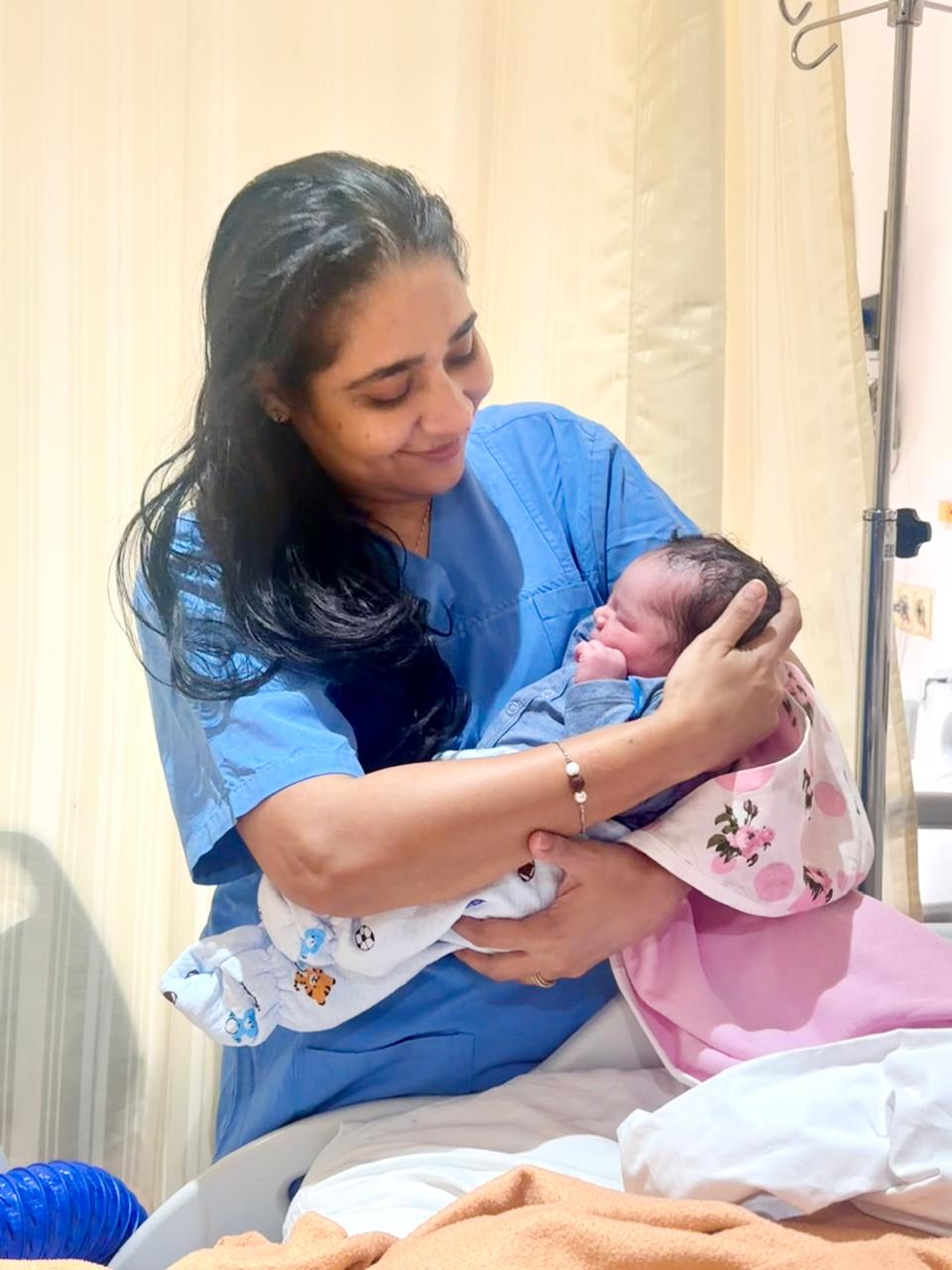
Reviewing your IVF chances with Dr. Kavita in Kamla Nagar, Delhi
Dr. Kavita Manchanda is an IVF specialist in Delhi with MBBS, MS (OBG), DNB (OBG) and FNB in Reproductive Medicine. She trained at Pt. B.D. Sharma PGIMS, Rohtak, and has more than 15 years of experience. She consults in Hindi and English at Penicillin Clinic, A-86, Central, Block A, Kamla Nagar, easy to reach from North Campus, Shakti Nagar and Model Town. Explore her specialities.
If you want an honest view of your chances with IVF and a plan to improve them, book a consultation. We will go through your reports with you.
Frequently asked questions
Generally, the woman's age. Egg quality and number both fall with age, especially after 35. Sperm quality, the health of the uterus and general health matter as well.
They cannot reverse age, but they do help. A healthy weight, no smoking, little or no alcohol and good control of conditions like diabetes or thyroid problems all support egg and sperm health and a healthier pregnancy.
No. A low AMH means fewer eggs are likely to be collected, but egg quality depends more on age. Many women with low AMH still have embryos to transfer, though they may need an adjusted protocol or more than one cycle.
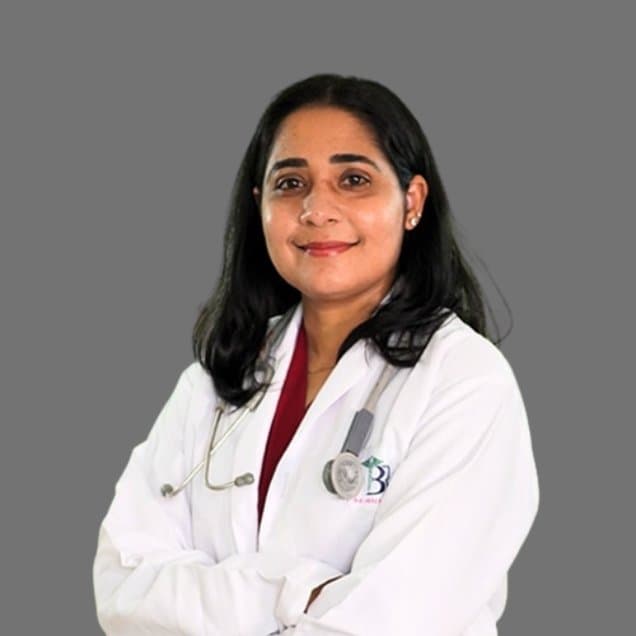
Dr. Kavita Manchanda
MBBS, MS (OBG), DNB (OBG), FNB (Reproductive Medicine). Fertility and IVF specialist with 15+ years of experience in male and female fertility, IUI, IVF, TESA, laparoscopy, hysteroscopy, pre-conception and antenatal care. Consults at Penicillin Clinic, Kamla Nagar, New Delhi.
This article is for general information and does not replace a personal consultation. Every patient is different, so please speak to a qualified doctor about your situation.